EconJobMarket
economics, econometrics, R, data, machine learning, UBC, learning, teaching, research, undergraduate research, learn research, RA, be an RA, volunteer RA, university of british columbia, british columbia, r programming for beginners, r language tutorial, r tutorial for beginners, economic data, econometrics tutoring, learn economics online, learn econometrics, teach yourself economics, teach yourself econometrics, econometrics basics for beginners
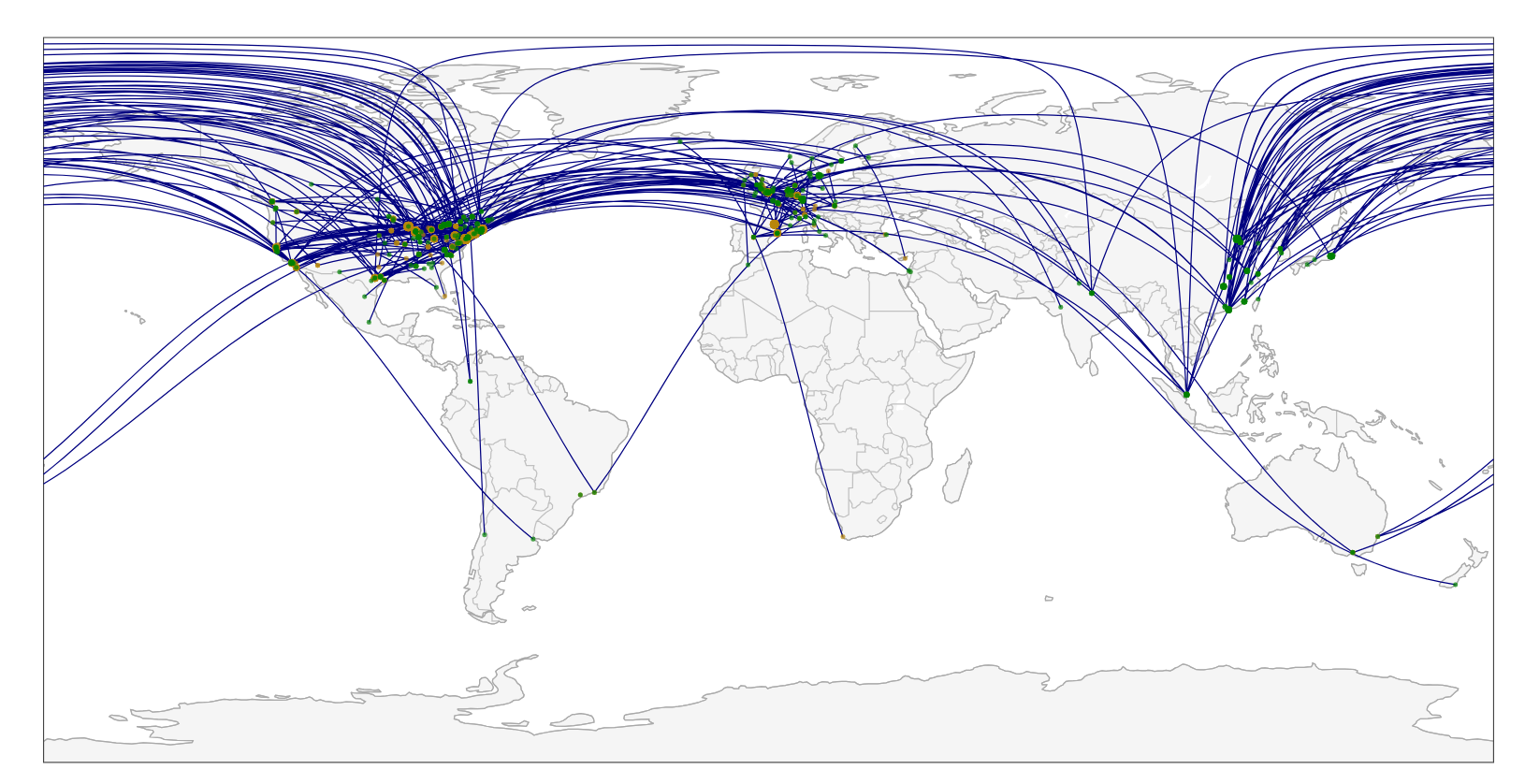
This research project builds on a body of work studying economics PhD outcomes, called the Mapinator project. You can read more about the Mapinator on their website, and view the visualization of the results. This project, and the associated research, have been a collaboration between Dr Mike Peters and the non-profit behind EconJobMarket, the central clearing house for economics graduate students. You can see some past research using this data:
More generally, this is part of a literature on labour market matching mechanisms, and mechanism design in microeconomics. There are three projects this term, for students with different levels of experience.
Project 1 (Easy)
The Mapinator is essentially a creation of the various UBC economics honors classes. The original Mapinator was written by Amedeus D’Souza and Alex Dong. You can read the history if you are interested. All the data is publicly available through an API, which is documented on the website.
Your job in this project is to update the Mapinator for 2022/2023 data. This is done through a kind of enhanced web search, which we will train you to do. As you build more familiarity, you will also be uploading and classifying data and re-generating some of the information.
Students who are interested in this project should:
- Be able to use internet search engines.
- Be able to learn to use tools like
git. - Be able to identify and save data in tools like
Ror Excel.
Project 2 (Hard)
The second project involves processing economics job market papers, extracting author names and co-authors, then matching them with EconJobMarket ID numbers. The objective is to find out how many co-authors a candidate has, and who they are. For example, are their co-authors other PhD students or their supervisors? The output will be used in the prediction problem in Project 3, below.
Students who are interested in this project should:
- Be to able use tools like
R, Python, or Julia for data wrangling.- Converting PDF to structured data, like text files.
- Identify and extract data from poorly formatted text.
- Be to able to learn to use
gitand other kinds of version control.
Project 3 (Very Hard)
The third project is a prediction problem. A PhD graduate has a bundle of measurable attributes. Those attributes lead to an outcome: where they are placed. The other projects makes it possible to cluster outcomes into various tiers, for example, the top universities, private sector, government. The objective is to predict, with reasonable accuracy, which graduates will get jobs in top tier universities. This could help make recruiting better by reducing the number of application a committee needs to review.
Students who are interested in this project should:
- Be able to use tools like
R, Python, or Julia for data wrangling.- Covert PDF to structured data, like text files.
- Strong machine learning skills and economic judgement.
- Be to able to learn to use
gitand other kinds of version control.